

Category Archives: News

In recent years, the field of dental prosthetics technology has experienced remarkable advancements, bringing revolutionary changes to how dental practitioners approach the creation and implementation of prosthetic solutions. These innovations not only enhance the quality of life for patients but also streamline the processes for dental professionals. This article explores the cutting-edge technologies driving the dental prosthetics industry forward.

The Evolution of Dental Prosthetics


Dental prosthetics, traditionally reliant on manual craftsmanship, have undergone significant transformation with the advent of digital technologies. These advancements have led to more precise, efficient, and aesthetically pleasing results. The keyword "Dental Prosthetics Technology" encapsulates a wide range of solutions, from crowns and bridges to full dentures and dental implants, each benefiting from modern technological innovations.

Digital Imaging and 3D Printing


One of the most impactful advancements in dental prosthetics is the integration of digital imaging and 3D printing. These technologies allow for unparalleled precision in designing and manufacturing dental prostheses.

Digital Imaging


Digital imaging, including intraoral scanners and cone-beam computed tomography (CBCT), has revolutionized the diagnostic and planning stages of dental prosthetics. Intraoral scanners create highly accurate digital impressions of a patient's mouth, eliminating the need for traditional impression materials that can be uncomfortable and less precise. CBCT provides detailed 3D images of the patient's jaw and surrounding structures, facilitating accurate diagnosis and treatment planning.

3D Printing


3D printing technology has significantly improved the fabrication of dental prosthetics. Using digital impressions, dental professionals can create highly accurate 3D models of the patient's mouth. These models are then used to design and print custom prosthetics with exceptional precision. The ability to rapidly produce prototypes and final products reduces turnaround times and enhances patient satisfaction. Try FREE DESIGN MODEL here!

CAD/CAM Technology


Computer-Aided Design and Computer-Aided Manufacturing (CAD/CAM) systems are central to the modern dental prosthetics industry. These technologies streamline the design and production processes, ensuring high levels of accuracy and efficiency.

Design


CAD software enables dental professionals to design prosthetic components with incredible precision. The digital nature of the designs allows for easy modifications and adjustments, ensuring a perfect fit and optimal function. This technology also facilitates the creation of complex structures that would be difficult to achieve with traditional methods.


Manufacturing


CAM technology translates the digital designs into physical products. Milling machines and 3D printers can produce prosthetics from a variety of materials, including ceramics, metal alloys, and high-strength polymers. These materials are chosen for their durability, biocompatibility, and aesthetic qualities, ensuring that the final products meet the highest standards of patient care.

Advanced Materials


The materials used in dental prosthetics have also seen significant advancements. Modern prosthetics benefit from materials that offer superior strength, longevity, and aesthetic appeal.

Zirconia


Zirconia is a high-strength ceramic material widely used in dental prosthetics. It offers excellent durability and biocompatibility, making it an ideal choice for crowns, bridges, and implants. Zirconia's natural translucency allows for highly aesthetic restorations that blend seamlessly with the patient's natural teeth.

Lithium Disilicate


Lithium disilicate - E.max is another popular material in dental prosthetics, known for its strength and aesthetic properties. This glass-ceramic material is often used for veneers, inlays, onlays, and crowns, providing a perfect balance of durability and beauty.


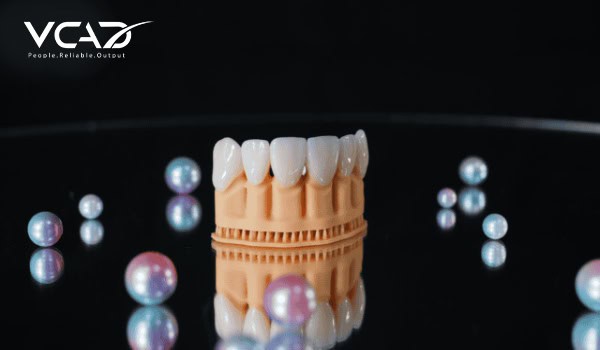
Veneers using E.max materials in Dental Prosthetics

Resin-Based Composites


Resin-based composites are used in various dental prosthetic applications due to their versatility and ease of use. These materials can be precisely matched to the color of the patient's teeth, ensuring a natural appearance. They are commonly used for temporary restorations, bonding, and repairs.

Robotic Assistance and AI


The integration of robotics and artificial intelligence (AI) into dental prosthetics represents the forefront of technological advancement in the field. These technologies enhance precision, reduce human error, and improve patient outcomes.

Robotic Assistance


Robotic systems can assist dental professionals in performing complex procedures with high accuracy. For instance, robotic arms can aid in the precise placement of dental implants, ensuring optimal positioning and reducing the risk of complications.

Artificial Intelligence


AI-driven software can analyze vast amounts of data to assist in diagnosis and treatment planning. Machine learning algorithms can predict the success of different prosthetic solutions based on patient-specific factors, helping dental professionals make informed decisions. AI also plays a role in optimizing the design and fabrication processes, further improving efficiency and accuracy.

The Future of Dental Prosthetics


As technology continues to evolve, the future of dental prosthetics looks promising. Innovations in digital imaging, 3D printing, CAD/CAM systems, advanced materials, and AI will continue to enhance the quality and efficiency of dental care. These advancements will lead to even more personalized and effective prosthetic solutions, improving patient outcomes and satisfaction.

In conclusion, the field of dental prosthetics is experiencing a technological revolution, driven by advancements in digital imaging, 3D printing, CAD/CAM systems, advanced materials, and AI. These innovations are transforming the way dental professionals approach the design and fabrication of prosthetics, resulting in more precise, efficient, and aesthetically pleasing solutions for patients. The future of dental prosthetics is bright, with continued technological advancements promising even greater improvements in patient care and satisfaction.

VCAD Dental Laboratory - Dental Prosthetics Lab Partner


At VCAD Dental Laboratory, we are dedicated to being your premier dental prosthetics lab partner. 

With our state-of-the-art technology and a team of skilled technicians, we provide exceptional dental prosthetic solutions tailored to meet the unique needs of each client. Our commitment to precision, quality, and innovation ensures that every product we deliver enhances the patient’s comfort and satisfaction.

By partnering with us, you gain access to a reliable and supportive team that is as invested in your success as you are. Let VCAD Dental Laboratory be the cornerstone of your practice’s prosthetic excellence.

Contact VCAD Dental Laboratory today to learn more about how our team of skilled technicians can elevate your practice and enhance your patients' smiles.

Hotline: (+84)963870270

Email: partner@vcaddental.com

Website: https://global.vcaddental.com/
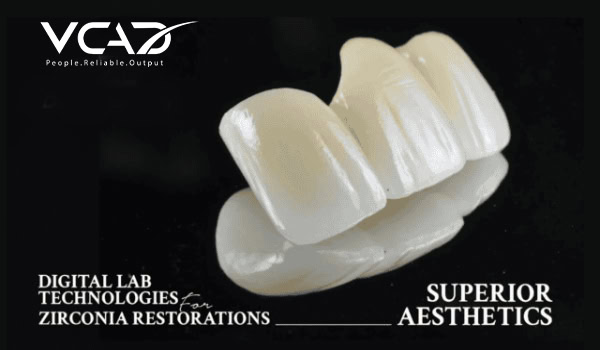

 
In the ever-evolving field of dental restorations, zirconia has emerged as a leading material due to its strength, durability, and aesthetic appeal. Dental lab technologies for zirconia restorations have advanced significantly, allowing for superior aesthetic outcomes that meet the high demands of both dental professionals and patients. This article explores the latest technologies and techniques in dental labs that enhance the aesthetics of zirconia restorations, making them a preferred choice for modern dental practices.


Understanding Zirconia Restorations


Zirconia, a ceramic material, is renowned for its exceptional physical properties. It boasts high fracture toughness and wear resistance, making it ideal for dental restorations such as crowns, bridges, and implants. One of the key advantages of zirconia is its ability to mimic the natural translucency of teeth, which is crucial for achieving superior aesthetics in dental restorations.

Advancements in Dental Lab Technologies


CAD/CAM Technology


Computer-Aided Design and Computer-Aided Manufacturing (CAD/CAM) technology has revolutionized the dental industry, particularly in the creation of zirconia restorations. CAD/CAM systems allow for precise digital modeling and fabrication of dental prosthetics. This technology ensures a high level of accuracy and consistency, resulting in restorations that fit perfectly and look natural. With CAD/CAM, dental labs can design intricate details and fine-tune the translucency and color of zirconia restorations, enhancing their aesthetic appeal.

3D Printing


3D printing technology is another game-changer in dental labs. It enables the creation of complex zirconia structures with remarkable precision. Dental labs use 3D printers to produce zirconia restorations layer by layer, ensuring a perfect fit and superior finish. This technology also allows for customization, enabling dental professionals to meet the specific aesthetic preferences of each patient.

High-Temperature Sintering


Sintering is a crucial process in the production of zirconia restorations. High-temperature sintering enhances the material's strength and translucency, which are essential for achieving superior aesthetics. Modern dental labs utilize advanced sintering ovens that ensure uniform heating and cooling, resulting in restorations that are both durable and visually appealing.


Techniques for Superior Aesthetics


Layering and Staining


Layering and staining techniques are vital for achieving a lifelike appearance in zirconia restorations. Dental technicians apply multiple layers of ceramic materials to mimic the natural color gradient and translucency of teeth. Staining further enhances the aesthetic by adding subtle color variations, making the restorations indistinguishable from natural teeth. These techniques require a high level of skill and artistry, highlighting the importance of experienced dental technicians in the process.

Polishing


Polishing is the final step in creating zirconia restorations and is critical for achieving a smooth and shiny surface that closely resembles natural enamel. Advanced polishing techniques and tools ensure that the restorations not only look beautiful but also feel comfortable for the patient. Polished zirconia restorations are less likely to attract plaque and are easier to maintain, contributing to long-term oral health.

Try Crown&Bridge zirconia restoration FREE SAMPLE for dentist here!

Benefits of Zirconia Restorations


Superior Strength and Durability


One of the primary reasons zirconia is favored in dental restorations is its unmatched strength and durability. Zirconia restorations can withstand the forces of chewing and grinding, making them ideal for both anterior and posterior applications. This longevity ensures that patients can enjoy their restorations for many years with minimal risk of damage.

Biocompatibility


Zirconia is highly biocompatible, meaning it is well-tolerated by the human body. It does not cause allergic reactions or irritation, making it a safe choice for patients with sensitivities to other materials. Additionally, zirconia's non-porous surface reduces the risk of bacterial accumulation, promoting better oral hygiene.

Aesthetic Excellence


The aesthetic appeal of zirconia restorations is unparalleled. With advancements in dental lab technologies, zirconia can be crafted to closely resemble natural teeth in color, translucency, and texture. This makes zirconia restorations an excellent choice for patients seeking both functionality and aesthetics in their dental treatments.


VCAD Dental Laboratory: Crafting High-Quality Zirconia Restorations


At VCAD Dental Laboratory, we pride ourselves on creating high-quality zirconia restorations that meet the highest standards of aesthetics and functionality. Our state-of-the-art facility is equipped with the latest dental lab technologies, including advanced CAD/CAM systems, 3D printing, and high-temperature sintering ovens. Our skilled dental technicians are experts in layering, staining, and polishing techniques, ensuring that every zirconia restoration we produce is not only durable but also indistinguishable from natural teeth.

We understand the importance of precision and detail in dental restorations. That's why we invest in continuous training and development for our team, ensuring they stay updated with the latest industry advancements. At VCAD Dental Laboratory, we are committed to delivering restorations that provide superior aesthetics and long-term performance, helping dental professionals offer the best possible care to their patients.

Hotline: (+84)963870270

Email: partner@vcaddental.com

Website: https://global.vcaddental.com/
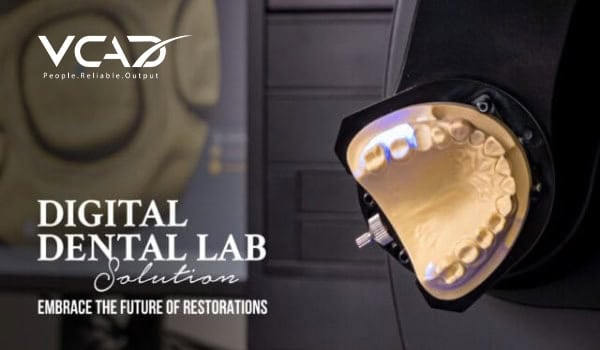
In the rapidly evolving field of dentistry, digital dental lab solutions have emerged as a game-changer, revolutionizing the way dental restorations are created and delivered. This transformative shift from traditional methods to cutting-edge digital technologies offers a multitude of benefits for dental professionals, patients, and dental labs alike. 

The Digital Transformation in Dental Labs


A New Era of Precision and Efficiency


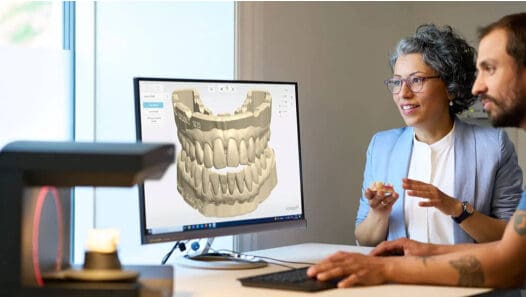
Digital dental lab solutions leverage advanced technologies such as computer-aided design (CAD), computer-aided manufacturing (CAM), 3D printing, and intraoral scanning to streamline the process of creating dental restorations. Unlike traditional methods, which often rely on manual craftsmanship and physical impressions, digital techniques offer unparalleled precision, efficiency, and consistency.

Tets CAD product with our FREE SAMPLE here!

Computer-Aided Design and Manufacturing (CAD/CAM)


CAD/CAM technology is at the heart of digital dental lab solutions. With CAD software, dental technicians can design crowns, bridges, veneers, and other restorations with remarkable accuracy. The digital designs are then sent to CAM systems, which use computer-controlled milling machines or 3D printers to fabricate the restorations from various materials such as zirconia, porcelain, or resin.

This seamless integration of design and manufacturing minimizes human error, reduces turnaround times, and ensures that restorations fit perfectly, enhancing patient satisfaction.


Intraoral Scanning: The Foundation of Accuracy


Intraoral scanners have revolutionized the way dental impressions are taken. Traditional impression methods often involve messy and uncomfortable materials, which can lead to inaccuracies and patient discomfort. In contrast, intraoral scanners capture highly detailed digital impressions of a patient's mouth in a matter of minutes.

These digital impressions serve as the foundation for creating precise restorations. The data from intraoral scans can be easily shared with dental labs, allowing for a more efficient workflow and eliminating the need for physical impression materials.

Advantages of Digital Dental Lab Solutions


Enhanced Precision and Quality


One of the most significant advantages of digital dental lab solutions is the enhanced precision and quality of restorations. Digital workflows eliminate the inconsistencies associated with manual processes, resulting in restorations that fit better and function more effectively. The accuracy of CAD/CAM systems ensures that margins are precise, reducing the risk of complications and the need for adjustments.

Faster Turnaround Times


Digital dental lab solutions significantly reduce the time required to produce restorations. Traditional methods can take weeks, with multiple steps and potential delays at each stage. In contrast, digital workflows streamline the process, enabling dental labs to deliver restorations in a fraction of the time. This accelerated turnaround is particularly beneficial for urgent cases, where patients require timely treatment.

Improved Patient Experience


Patients benefit immensely from digital dental lab solutions. The use of intraoral scanners eliminates the discomfort associated with traditional impressions, providing a more pleasant experience. Additionally, the accuracy of digital impressions reduces the need for multiple visits and adjustments, saving patients time and enhancing their overall satisfaction.

Cost-Effectiveness


While the initial investment in digital dental lab technology can be substantial, the long-term cost savings are significant. Digital workflows reduce the need for labor-intensive manual processes, minimize material wastage, and decrease the likelihood of remakes and adjustments. Over time, these efficiencies translate into cost savings for dental labs and practices.

Technologies Driving Digital Dental Lab Solutions


3D Printing: A Paradigm Shift


3D printing, also known as additive manufacturing, is revolutionizing the production of dental restorations. This technology allows for the precise creation of complex geometries that would be challenging or impossible to achieve with traditional methods. Dental labs can 3D print crowns, bridges, dentures, and even surgical guides with unparalleled accuracy.

3D printing offers several advantages, including reduced material waste, faster production times, and the ability to create highly customized restorations. As the technology continues to advance, the range of materials available for 3D printing is expanding, further enhancing its versatility and application in dental labs.


Artificial Intelligence and Machine Learning


Artificial intelligence (AI) and machine learning are playing an increasingly important role in digital dental lab solutions. These technologies can analyze vast amounts of data to improve the accuracy of diagnoses, treatment planning, and restoration design. AI-powered software can identify patterns and predict outcomes, enabling dental professionals to make more informed decisions and achieve better results.

Digital Smile Design


Digital smile design (DSD) is a cutting-edge approach that allows dental professionals to create virtual simulations of a patient's smile before any physical work is done. Using advanced software, dentists and technicians can collaborate to design the ideal smile, taking into account factors such as facial features, tooth shape, and alignment.

DSD enhances communication between dental professionals and patients, ensuring that expectations are aligned and the final result meets the patient's aesthetic and functional goals.

The Future of Dental Restorations


Integration of Digital Workflows


The future of dental restorations lies in the seamless integration of digital workflows. As technology continues to advance, the lines between different stages of the restoration process will blur, resulting in a more cohesive and efficient workflow. Intraoral scanners, CAD/CAM systems, 3D printers, and AI-powered software will work together seamlessly to create restorations that are not only highly precise but also tailored to each patient's unique needs.

Personalized and Predictive Dentistry


Digital dental lab solutions are paving the way for personalized and predictive dentistry. By leveraging patient-specific data and advanced technologies, dental professionals can create customized treatment plans that address individual needs and preferences. Predictive analytics can anticipate potential issues and suggest proactive measures, leading to improved patient outcomes and long-term oral health.

Sustainability and Environmental Impact


As the dental industry embraces digital solutions, there is also a growing focus on sustainability and reducing the environmental impact of dental practices. Digital workflows minimize material waste and reduce the need for physical shipping, contributing to a more eco-friendly approach. Additionally, the use of biocompatible and recyclable materials in 3D printing further supports sustainability efforts.

VCAD Dental Lab: Leading the Way in Digital Precision


At VCAD Dental Lab, we pride ourselves on leveraging the latest digital dental lab solutions to deliver restorations with unmatched precision and quality. Our commitment to incorporating advanced technologies such as CAD/CAM, intraoral scanning, and 3D printing ensures that every restoration we produce meets the highest standards of accuracy and efficiency. 

By embracing these innovative tools, VCAD Dental Lab is able to provide dental professionals and dental practices with superior restorations that fit perfectly and perform flawlessly, revolutionizing the way dental care is delivered.

Hotline: (+84)963870270

Email: partner@vcaddental.com

Website: https://global.vcaddental.com/
The dental industry is constantly evolving, with new advancements in technology, materials, and techniques shaping the way dental professionals provide care. Keeping up with these changes is crucial for maintaining high standards and delivering the best possible outcomes for patients. 

One of the most significant events in the dental calendar for 2024 is the "Hội Nghị Đào Tạo - Chỉ Đạo Tuyến Chuyên Ngành Răng Hàm Mặt" (National Dental Training and Guidance Conference), organized by the National Hospital of Odonto-Stomatology, Ho Chi Minh. 

This conference, taking place on July 25-26, 2024, at TTC Palace in Phan Thiết City, Binh Thuan Province, is set to be a pivotal gathering for dental professionals across Vietnam and beyond.

The Importance of Dental Training and Continuous Education


In the fast-paced world of dentistry, continuous education and training are indispensable. Advances in dental materials, technologies, and techniques occur regularly, and staying updated is essential for providing high-quality patient care. The National Dental Training Conference 2024 offers an unparalleled opportunity for dental professionals to engage in rigorous training sessions, hands-on workshops, and insightful lectures. This event is designed to enhance the skills and knowledge of attendees, ensuring they are well-equipped to implement the latest advancements in their practices.

Key Highlights of the Conference


Expert Speakers and Lectures 


The conference will feature a lineup of renowned speakers from the dental industry, including leading dentists, researchers, and educators. These experts will share their insights on a wide range of topics, from cutting-edge dental technologies to innovative treatment methodologies. Attendees can expect to gain valuable knowledge that will help them stay at the forefront of the field.


Hands-On Workshops


One of the most exciting aspects of the conference is the hands-on workshops. These sessions provide participants with the opportunity to apply new techniques and use advanced dental equipment under the guidance of experienced instructors. This practical experience is invaluable for honing skills and gaining confidence in implementing new procedures.

Networking Opportunities


The National Dental Training Conference 2024 is an excellent platform for networking. Dental professionals from various backgrounds and specialties will gather to exchange ideas, share experiences, and build professional relationships. Networking with peers and industry leaders can lead to collaborations, referrals, and enhanced professional growth.


Exhibition of Dental Innovations


The conference will also host an exhibition showcasing the latest dental technologies, products, and services. Dental labs, equipment manufacturers, and service providers will present their innovations, giving attendees the chance to explore new tools and materials that can enhance their practice. This is an ideal opportunity to discover the latest trends and advancements in the dental industry.

Why Dental Labs Should Attend


Dental labs are an integral part of the dental industry, providing crucial support for the fabrication of dental prosthetics and appliances. Attending the National Dental Training Conference 2024 offers several benefits:

Stay Updated with Industry Trends


Dental labs must keep pace with technological advancements to stay competitive. The conference provides insights into the latest materials and techniques, such as CAD/CAM systems and 3D printing technologies, which can significantly enhance lab efficiency and product quality.

Enhance Collaboration with Dentists


The conference facilitates direct interaction between dental lab professionals and dentists, fostering better understanding and collaboration. This can lead to improved communication and higher satisfaction for both parties.

Professional Development


Hands-on workshops and training sessions offer dental lab technicians the chance to refine their skills and learn new techniques. This continuous professional development is crucial for maintaining high standards of workmanship.


VCAD Dental Lab's Commitment to Excellence


At VCAD Dental Lab, we are dedicated to providing the highest quality dental restorations and appliances. Our participation in the National Dental Training Conference 2024 underscores our commitment to staying at the forefront of dental technology and delivering the best solutions to our clients. By attending this prestigious event, we aim to:

  1. Stay Ahead of Technological Advancements: The dental industry is rapidly evolving, with new technologies emerging regularly. By participating in the conference, we ensure that we stay updated with the latest advancements in dental materials, CAD/CAM systems, and digital workflows. This allows us to offer state-of-the-art solutions to our clients.

  2. Enhance Our Skills and Knowledge: Continuous education and training are essential for maintaining the highest standards of quality. The hands-on workshops and expert lectures at the conference provide us with valuable opportunities to enhance our skills and knowledge. This ensures that we can deliver precise and reliable dental restorations.

  3. Strengthen Our Professional Network: Networking with industry leaders and peers is crucial for professional growth. The conference offers a platform to connect with other dental professionals, share experiences, and build lasting relationships. These connections can lead to collaborations and new opportunities for growth.

  4. Reaffirm Our Commitment to Quality: At VCAD Dental Lab, quality is our top priority. Attending the conference reinforces our commitment to excellence and ensures that we continue to provide the best possible products and services to our clients. We are dedicated to staying informed about the latest trends and advancements in the dental industry to consistently meet and exceed our clients' expectations.


The National Dental Training Conference 2024 is a landmark event for dental professionals, offering a wealth of opportunities for learning, networking, and professional development. At VCAD Dental Lab, we are honored to be a part of this prestigious event and are committed to leveraging the knowledge and experiences gained to continue delivering exceptional products and services to our clients. We look forward to connecting with fellow professionals, expanding our expertise, and contributing to the advancement of the dental industry.

Hotline: (+84)963870270

Email: partner@vcaddental.com

Website: https://global.vcaddental.com/
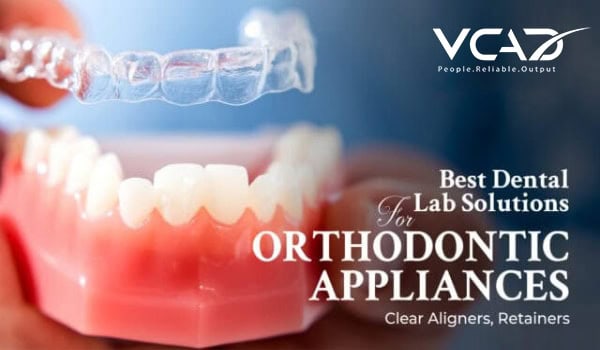
Orthodontic appliances have revolutionized the way dental professionals approach teeth alignment and correction. Among the most popular and effective solutions are clear aligners and retainers. These appliances not only improve dental health but also enhance aesthetic appeal. In this comprehensive guide, we will explore the best dental lab solutions for orthodontic appliances, focusing on clear aligners and retainers, and highlight why VCAD Dental Lab is your premier choice for these products.

What are Orthodontic Appliances? How are They Made in a Dental Lab?


Orthodontic appliances are devices used by dental professionals to correct misaligned teeth and jaws. They play a crucial role in both functional and aesthetic dental treatments. The main types of orthodontic appliances include braces, clear aligners, retainers, space maintainers, and expanders. Each appliance is designed to address specific dental issues, such as crowding, spacing, overbites, underbites, and crossbites.

The process of making orthodontic appliances in a dental lab involves several meticulous steps:

  1. Impression or Digital Scan: The first step is to take an accurate impression or digital scan of the patient's teeth. This provides a precise model of the dental structure, which is essential for creating custom-fit appliances.

  2. Model Creation: From the impressions or scans, a physical or digital model of the patient's teeth is created. This model serves as the blueprint for the appliance.

  3. Design and Fabrication: Using the model, dental technicians design the appliance. For clear aligners, this involves planning a series of aligners that gradually move teeth into the desired position. Retainers are designed to maintain teeth in their new position after alignment.

  4. Material Selection and Manufacturing: High-quality materials, such as medical-grade plastic for clear aligners and durable acrylic or plastic for retainers, are selected. The appliance is then manufactured using advanced technologies like 3D printing, CAD/CAM systems, and precise molding techniques.

  5. Quality Control: Each appliance undergoes rigorous quality control checks to ensure it meets the required standards of accuracy, fit, and durability.


Clear Aligners


Clear aligners are a popular choice for teeth straightening, offering a discreet and comfortable alternative to traditional braces. They are custom-made, transparent trays that fit snugly over the teeth and gradually shift them into the desired position.

Benefits of Clear Aligners


  • Invisibility: Clear aligners are virtually invisible, making them an attractive option for adults and teens who want to straighten their teeth without noticeable braces.

  • Comfort: Made from smooth, medical-grade plastic, clear aligners are comfortable to wear and do not cause the irritation that metal braces can.

  • Removability: Aligners can be removed for eating, drinking, brushing, and flossing, allowing for better oral hygiene and fewer dietary restrictions.

  • Predictability: Treatment plans for clear aligners are often mapped out using advanced digital software, providing a clear picture of the expected results and timeline.


Clear Aligners in the Dental Lab


In a dental lab, clear aligners are crafted with precision:

  1. Digital Scanning and Planning: A digital scan of the patient's teeth is taken, and a treatment plan is created using specialized software. This plan outlines the series of movements required to achieve the desired alignment.

  2. 3D Printing: Using the digital plan, a series of aligner molds are 3D printed. Each mold represents a stage in the treatment process, gradually shifting the teeth from their current position to the desired alignment.

  3. Thermoforming: Medical-grade plastic is thermoformed over the 3D printed molds to create the aligners. Each aligner is then trimmed and polished for a perfect fit and comfortable wear.


Retainers


Retainers are orthodontic appliances designed to maintain the position of teeth after they have been aligned. They are essential for ensuring that the teeth do not shift back to their original positions once the active orthodontic treatment is completed.

Types of Retainers


  • Fixed Retainers: These are bonded to the back of the teeth and provide continuous support to keep teeth in their new position. They are typically used for lower front teeth.

  • Removable Retainers: These can be taken out for eating and cleaning. The most common types are Hawley retainers (with a metal wire and acrylic base) and clear retainers (similar to aligners).


Retainers in the Dental Lab


The creation of retainers in a dental lab involves the following steps:

  1. Impression or Digital Scan: An accurate impression or digital scan of the patient's teeth is taken to create a model for the retainer.

  2. Design and Fabrication: Depending on the type of retainer, dental technicians design the appliance using the model. For fixed retainers, a custom wire is shaped and bonded to the teeth. For removable retainers, a plastic or acrylic base is crafted to fit the contours of the teeth.

  3. Customization: Retainers are customized to ensure a perfect fit and optimal function. Adjustments are made to enhance comfort and effectiveness.

  4. Quality Assurance: Each retainer undergoes quality checks to ensure it meets the highest standards of fit, durability, and functionality.


What Do High-Quality Orthodontic Appliances Look Like? How Can You Measure the Quality of Orthodontic Appliances?


High-quality orthodontic appliances share several key characteristics:

  • Precision Fit: A high-quality appliance fits perfectly and comfortably, without causing irritation or discomfort.

  • Durability: The materials used are strong and durable, ensuring the appliance can withstand daily use without deforming or breaking.

  • Aesthetics: For clear aligners and retainers, the appliance should be transparent and aesthetically pleasing.

  • Functionality: The appliance should effectively perform its intended function, whether it's aligning teeth or maintaining their position.


To measure the quality of orthodontic appliances, consider the following criteria:

  • Material Quality: High-quality, biocompatible materials that are safe for long-term use.

  • Craftsmanship: Precision and attention to detail in the design and manufacturing process.

  • Fit and Comfort: The appliance should fit well and be comfortable to wear.

  • Patient Feedback: Positive feedback from patients regarding comfort, aesthetics, and effectiveness.


Clinical Results: Consistent, successful outcomes in achieving the desired dental corrections.


VCAD Dental Laboratory: Your Best Dental Lab Solutions for Orthodontic Appliances


At VCAD Dental Laboratory, we are dedicated to providing dental professionals with the highest quality orthodontic appliances. Our state-of-the-art facility and experienced team ensure that every appliance we produce meets the highest standards of precision, durability, and aesthetics.

Why Choose VCAD Dental Laboratory?


  • Advanced Technology: We utilize cutting-edge technology, including 3D printing and CAD/CAM systems, to ensure the accuracy and quality of our appliances.

  • High-Quality Materials: We use only the best materials to create durable and effective orthodontic solutions.

  • Customized Solutions: We work closely with dental professionals to provide customized appliances that meet the specific needs of their patients.

  • Commitment to Excellence: Our team is committed to continuous improvement and innovation, ensuring we stay at the forefront of dental lab solutions.


Whether you need clear aligners, retainers, or other orthodontic appliances, VCAD Dental Laboratory is your trusted partner. Contact us today to learn more about how we can support your practice and help your patients achieve their best smiles.

Hotline: (+84)963870270

Email: partner@vcaddental.com

Website: https://global.vcaddental.com/
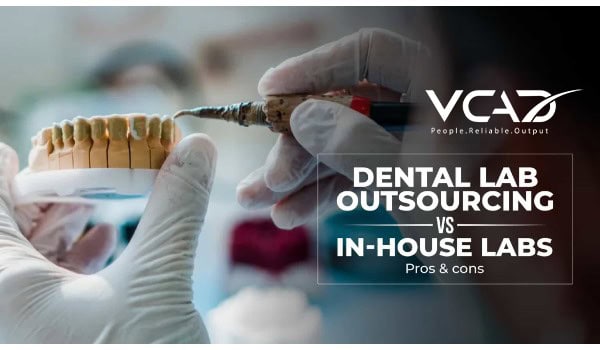
Benefits of Dental Lab Outsourcing vs In-House Lab


Dental Lab Outsourcing advantage


Cost Savings: Outsourcing can significantly reduce your overall lab expenses. You eliminate the need for expensive equipment, lab space, and staffing costs associated with an in-house lab.

Access to Expertise and Technology: Partnering with a reputable outsourcing lab allows you to leverage their team of skilled technicians and specialists. These labs often have access to cutting-edge technology you might not be able to afford in-house.

Increased Efficiency and Scalability: Outsourcing frees up your time and resources to focus on patient care. It also allows you to easily scale your lab needs up or down depending on your workload.

In-House Lab advantage


Direct Control: With an in-house lab, you have complete control over the entire restoration process. This allows you to ensure quality standards are met and make adjustments as needed.

Faster Turnaround Times: No need to wait for shipments; in-house labs can often deliver restorations quicker, which improves patient experience and scheduling flexibility.

Simplified Communication: Direct communication with lab technicians eliminates potential misunderstandings and allows for real-time collaboration on complex cases

Drawbacks of Dental Lab Outsourcing and In-house Lab


Dental Lab Outsourcing Disadvantage


Loss of Control: When you outsource, you relinquish some control over the lab process. Communication and clear instructions become crucial to ensure the final product meets your and your patient's expectations.

Potential for Delays: Depending on the location of your outsourcing partner, turnaround times can be longer compared to an in-house lab. This can affect patient treatment schedules.

Quality Concerns: Not all outsourcing labs are created equal. Finding a reliable partner with a proven track record of quality is essential.

In-house Lab Disadvantage


High Start-Up and Operational Costs: Setting up and operating an in-house lab requires significant investment in equipment, materials, qualified staff, and ongoing maintenance.

Limited Expertise and Technology: Smaller practices may struggle to afford the full range of technology and specialists available in larger outsourcing labs.

Space Requirements: Maintaining a dedicated lab space can be a challenge for some dental practices, especially those located in urban areas with limited space.

Which one is better: Dental Lab Outsourcing vs. In-House Labs


Running a successful dental practice requires a delicate balance between delivering exceptional patient care and maintaining financial efficiency. Dental labs play a crucial role in this equation, crafting essential restorations like crowns, bridges, and dentures. But the question remains: should you invest in an in-house lab, or leverage the growing trend of dental lab outsourcing?

If you possess a reliable in-house lab, outsourcing may not be the optimal choice. However, there are circumstances where it could be considered:

Overwhelming workload: Temporary outsourcing can alleviate pressure during peak periods.

Specialized procedures: Outsourcing complex cases to external experts can enhance outcomes. Example: Dental Lab Outsourcing for Implant.

Cost reduction: If external labs offer significantly lower prices for specific services, outsourcing might be financially advantageous.

Key Considerations:

Evaluate the performance of your in-house lab: Assess quality, efficiency, and cost-effectiveness.

Analyze your practice's needs: Consider patient volume, case complexity, and desired turnaround times.

Explore outsourcing options: Research potential lab partners, compare prices, and review their quality standards.

Develop clear communication protocols: Establish effective communication channels to minimize misunderstandings.

Ultimately, the best decision depends on the unique circumstances of your dental practice. Carefully weigh the pros and cons of both options to determine the most suitable approach for your patients and business.

About VCAD Dental Laboratory: Your Dental Lab Outsourcing Partner


VCAD Dental Laboratory is a leading dental lab outsourcing provider with a global network of partners. We understand the challenges dentists face and are dedicated to providing exceptional service and high-quality restorations.

Here's what sets us apart:

Proven Success: We have a proven track record of helping our partners achieve significant growth and cost savings.

Global Network and Expertise: Our extensive network of experienced technicians ensures you have access to the latest technologies and skills for any dental restoration.

Focus on Communication and Efficiency: We prioritize clear communication and streamlined processes to ensure timely delivery and meet your exact requirements.

Guaranteed turnaround time: With a quick process, we guarantee completion time for design cases within 8 hours and for processing cases within 2 working days, ensuring the time committed to partners.

Strict quality control process: We have a strict product quality control process, which can meet the quality from simple cases to complex cases.

Still wondering about the product quality of a dental laboratory? Register for a FREE SAMPLE right here!

Hotline: (+84)963870270

Email: partner@vcaddental.com

Website: https://global.vcaddental.com/
Dental Lab Solutions : Understanding what matters most to your dental patients is crucial for building a successful practice. In today's competitive market, patients have more choices than ever before. To attract and retain them, it's essential to focus on the aspects of dental care that truly resonate with their needs and concerns. This article will explore the key factors that patients prioritize when choosing a dental practice, from quality of care and comfort to convenience and communication. 

How many factors affect a patient's continuing to visit your dental practice?


Why is patient satisfaction important for a dental practice?


Patient satisfaction is key to a successful dental practice. It drives patient loyalty, positive reviews, and new patient acquisition. Satisfied patients are more likely to return for regular care, recommend the practice to others, and leave positive online reviews, all of which contribute to the practice's growth and reputation. 

Additionally, a positive atmosphere created by happy patients boosts team morale and productivity, leading to a higher standard of service. Patient feedback is invaluable for identifying areas for improvement, ensuring the practice meets patient expectations. 

Prioritizing patient satisfaction also reduces stress and conflict, creating a harmonious environment for both patients and the dental team.

Factors affect a patient satisfaction


A patient's decision to continue visiting a dental practice is influenced by a complex interplay of factors, extending far beyond the technical quality of dental care. While effective treatment and positive health outcomes are fundamental, a patient's loyalty is cultivated through a comprehensive experience that encompasses various aspects of their interaction with the practice.

Quality of Care: The most fundamental factor is the quality of dental treatment and care received. Patients who are satisfied with the results of their procedures and feel that their oral health is improving are more likely to return.

Patient-Dentist Relationship: A positive and trusting relationship with the dentist and staff is crucial. Patients who feel heard, respected, and valued are more likely to remain loyal.

Communication and Education: Clear communication about treatment options, costs, and oral hygiene instructions empowers patients and builds trust.

Convenience and Accessibility: Factors like location, appointment availability, wait times, and office hours can significantly impact patient satisfaction and convenience.

Office Environment and Atmosphere: A clean, welcoming, and comfortable office environment contributes to a positive patient experience.

Cost and Financial Considerations: Transparent pricing and flexible payment options are important, especially for patients without dental insurance.

Technology and Modernization: Up-to-date technology and modern equipment can enhance the patient experience and demonstrate a commitment to quality care.

Pain Management and Anxiety Reduction: Effective pain management techniques and a focus on reducing dental anxiety can create a more positive experience for patients. 55% of all the respondents were dissatisfied with pain management aspects of care, more than double the 20.8% reported by Thomson et al, (1999) in a New Zealand study on dental anxiety and satisfaction with dental services. 

Personalized Care and Attention: Tailoring treatment plans to individual needs and preferences, and addressing specific concerns, can increase patient satisfaction.

Positive Online Reputation: Favorable online reviews and a strong digital presence can attract new patients and reassure existing ones.

Recommendations and Referrals: Word-of-mouth recommendations from friends and family can be a powerful motivator for patients to choose and continue visiting a particular dental practice.

Follow-Up and Post-Treatment Care: Checking in with patients after procedures and providing ongoing support demonstrates a commitment to their well-being.


How can dental practices improve the quality of care they provide to patients?


Elevating Dental Care: Strategies for Enhancing Quality and Patient Satisfaction


In the ever-evolving landscape of healthcare, dental practices must continually strive to improve the quality of care they provide.  This pursuit of excellence not only ensures optimal oral health outcomes for patients but also fosters a positive patient experience that cultivates loyalty and trust.

Enhancing dental care quality


A fundamental pillar of enhancing dental care quality is a commitment to ongoing learning and professional development. Encouraging dentists and staff to participate in continuing education programs ensures that the practice remains at the forefront of dental advancements. By staying abreast of the latest techniques, technologies, and research, practitioners can deliver the most effective and evidence-based treatments.

Patient-centered service


Equally important is a patient-centered approach to care.  This involves actively listening to patient concerns, understanding their preferences, and addressing any anxieties they may have.  Tailoring treatment plans to individual needs and goals empowers patients to take an active role in their oral health journey.  

Clear and comprehensive communication about diagnoses, treatment options, and associated costs further enhances patient engagement and fosters informed decision-making.

Approach with modern technology


The integration of modern technology is another key driver of quality improvement in dental care.  Digital X-rays, intraoral cameras, and laser dentistry offer enhanced accuracy, efficiency, and patient comfort.  Electronic health records streamline documentation, facilitate communication among providers, and promote continuity of care.  By embracing these technological advancements, dental practices can optimize their workflows and deliver more precise and effective treatments.

Effective communication


Effective communication extends beyond the clinical setting.  A welcoming and comfortable office environment, coupled with friendly and empathetic staff, creates a positive patient experience.  Clear explanations of procedures, risks, and benefits empower patients to make informed decisions about their care.  Offering amenities such as Wi-Fi, refreshments, and entertainment options in the waiting area further enhances patient comfort and satisfaction.

Good pain management


Pain management and anxiety reduction are paramount considerations in dental care.  Utilizing effective pain management techniques, such as local anesthesia, sedation dentistry, and nitrous oxide, ensures patient comfort during procedures.  Addressing dental anxiety through relaxation techniques and distraction tools can significantly improve the patient experience and promote regular dental visits.

Quality assurance


To ensure continuous improvement, dental practices should implement robust quality assurance measures.  Regularly soliciting patient feedback through surveys and feedback mechanisms provides valuable insights into patient satisfaction and areas for enhancement.  Internal audits and peer reviews can identify opportunities for optimization within the practice.  Participation in external quality assessments and accreditation programs demonstrates a commitment to maintaining high standards of care.

Collaborative and supportive team


Fostering a collaborative and supportive team environment is essential for delivering quality dental care.  Open communication and teamwork among dentists, hygienists, assistants, and administrative staff promote a seamless patient experience.  Regular team meetings provide a platform for knowledge sharing, problem-solving, and collective decision-making.

Connect with dental community


Finally, staying informed and engaged in the dental community is vital for continuous improvement. Keeping abreast of the latest research, clinical guidelines, and best practices ensures that dental professionals are equipped with the knowledge and skills necessary to deliver the highest standard of care. Participation in professional organizations and conferences fosters collaboration, knowledge exchange, and professional growth.

See top 5 dental community here!

VCAD Dental Laboratory - your dental solution for increasing patient satisfaction


VCAD Dental Laboratory understands that your focus as a dental practitioner is on providing exceptional care and ensuring patient satisfaction. Our comprehensive dental solutions are designed not just to deliver high-quality restorations, but to actively support your practice in achieving this goal.

By entrusting your lab work to us, you free up valuable chair time, allowing you and your team to dedicate more attention to patient interactions, treatment planning, and building lasting relationships. Our streamlined processes and timely delivery ensure that your restorations are ready when you need them, minimizing disruptions to your schedule and maximizing your productivity.

Furthermore, our commitment to precision, quality, and aesthetics means that your patients receive restorations that look, feel, and function naturally. This translates to increased patient confidence, improved treatment outcomes, and ultimately, higher satisfaction levels.

With VCAD Dental Laboratory as your partner, you can focus on what you do best – providing outstanding dental care – while we handle the technical aspects of creating beautiful and functional restorations. Together, we can elevate your practice and create a truly positive experience for every patient who walks through your door.

Hotline: (+84)963870270

Email: partner@vcaddental.com

Website: https://global.vcaddental.com/
Dental Lab News: 3Shape Unleashes AI to Transform Dental Lab Workflows
The world of dental lab is buzzing with innovation and change. In this July 2024 roundup, we dive into five key news stories that are shaping the industry, from AI-driven workflows to groundbreaking 3D printing technology.

Top 3 Must-read Dental Lab News for July 2024


1. Ivoclar's Innovative Zirconia Discs: A New Standard in Lab Efficiency


Ivoclar Group, a global leader in dental solutions, has revolutionized zirconia restorations with their enhanced IPS e.max ZirCAD Prime discs. A simple yet ingenious addition – a color-coded ring around each disc – is set to transform lab workflows.

  • Streamlined Milling: The color-coded ring and repositioning notch make disc identification and placement into milling machines a breeze.

  • Minimized Waste: The ring design protects discs from chipping or fracturing during handling and milling, saving labs valuable material and money.

  • Proven Quality: Ivoclar's ZirCAD Prime discs have already established themselves as a top performer, with clinical studies showing a remarkable 96% survival rate after five years.


This enhancement underscores Ivoclar's commitment to providing with cutting-edge solutions that prioritize efficiency, reliability, and user-friendliness.

2. 3Shape Unleashes AI to Transform Dental Lab Workflows


3Shape, a pioneer in digital dentistry, has embraced artificial intelligence (AI) to revolutionize operations. Their latest AI-powered software advancements are set to redefine productivity and precision:

  • Model Builder Express: This innovative software automates model production, generating AI-driven proposals that technicians can swiftly review and adjust, saving valuable time and reducing manual labor.

  • 3Shape Automate: This remote digital design service now incorporates AI-powered anterior tooth design, expanding treatment capacity and providing invaluable support during busy periods or staffing shortages.

  • Intelligent Scanning: 3Shape's scanning software now harnesses AI to automatically trim gypsum model scans, minimizing user interaction and freeing up technicians for more complex design work.

  • Implant Studio 2024.1: The latest version of Implant Studio leverages AI to analyze jaw structures and create outlines for full-coverage surgical guides, significantly streamlining the design process.


By integrating AI into its software suite, 3Shape empowers dental technicians to work smarter, not harder, ultimately enhancing patient care.


3. Stratasys DentaJet XL: Accelerating Dental Lab Production with High-Speed 3D Printing


Stratasys has introduced the DentaJet XL, a cutting-edge 3D printer designed to revolutionize productivity. This high-speed PolyJet multi-material printer boasts larger resin cartridges, a spacious print tray, a "Super High-Speed" mode, and a streamlined post-processing workflow.

  • Cost and Time Savings: Early adopters have reported significant reductions in labor costs and cost per part, thanks to the printer's efficiency and automation features.

  • Uninterrupted Operation: The DentaJet XL supports continuous printing, even with large 4kg resin cartridges, minimizing downtime and maximizing productivity.

  • Multi-Material Versatility: The ability to print with two materials simultaneously opens up new possibilities for dental applications.


The DentaJet XL is poised to transform dental lab production, enabling labs to meet the increasing demand for dental appliances with unprecedented speed, efficiency, and precision.

Follow VCAD Dental Laboratory To Get The Latest Dental Lab News


The dental lab landscape is evolving rapidly, and staying informed is essential for success. By embracing technological advancements, adapting to changing regulations, and prioritizing patient well-being, dental laboratories can continue to thrive in the years to come. Follow VCAD to stay informed about the latest news is essential for success in this dynamic field.

Contact VCAD Dental Laboratory today to learn more about how our team of skilled technicians can elevate your practice and enhance your patients' smiles.

Hotline: (+84)963870270

Email: partner@vcaddental.com

Website: https://global.vcaddental.com/

The field of restorative dentistry has seen a significant shift towards using dental ceramics due to their exceptional aesthetic qualities and durability. But just how many kinds of dental ceramics are there, and which is the best choice for different dental needs? This article provides a comprehensive overview of the most popular types of dental ceramics, their properties, applications, and factors to consider when choosing the right material.

How many kinds of Dental Ceramics are there?


Zirconia: The Strong and Versatile Choice


Zirconia, a form of zirconium dioxide, is a ceramic material renowned for its exceptional strength and biocompatibility. It has become a preferred choice for dental restorations due to its ability to withstand the forces of biting and chewing. Zirconia restorations are also known for their long-lasting performance and resistance to wear and tear.

There are different types of zirconia used in dentistry, including:

  • Full-contour zirconia: This type is milled from a solid block of zirconia and is known for its high strength and opacity. It's often used for posterior crowns and bridges where aesthetics are less critical.

  • Layered zirconia: This type combines a zirconia core with a porcelain veneer. It offers a balance of strength and aesthetics, making it suitable for anterior restorations.


Advantages of zirconia restorations:

  • Exceptional strength and durability: Zirconia is one of the strongest dental ceramics available, making it ideal for high-stress areas in the mouth.

  • Biocompatibility: Zirconia is well-tolerated by the body, reducing the risk of allergic reactions or adverse effects.

  • Natural-looking aesthetics: Layered zirconia restorations can be customized to match the color and translucency of natural teeth.

  • Minimal tooth preparation: Zirconia restorations often require less tooth reduction compared to other materials.


Applications of zirconia in dental procedures:

  • Crowns: Zirconia crowns offer a strong and aesthetically pleasing solution for restoring damaged or decayed teeth.

  • Bridges: Zirconia bridges provide a durable and biocompatible option for replacing missing teeth.

  • Implants: Zirconia abutments and implant-supported restorations offer excellent stability and long-term success.


Lithium Disilicate: The Aesthetic Alternative


Lithium disilicate is a glass-ceramic material known for its exceptional translucency and natural appearance. It is a popular choice for anterior restorations where aesthetics are of primary concern. Lithium disilicate restorations can be customized to match the exact shade and characteristics of the surrounding teeth, resulting in a seamless and beautiful smile.

Advantages of lithium disilicate restorations:

  • Excellent aesthetics: Lithium disilicate restorations closely mimic the appearance of natural teeth, making them virtually indistinguishable.

  • High strength: While not as strong as zirconia, lithium disilicate offers sufficient strength for most dental restorations.

  • Conservative preparation: Lithium disilicate restorations often require minimal tooth reduction, preserving natural tooth structure.


Applications of lithium disilicate in dentistry:

  • Veneers: Lithium disilicate veneers provide a thin, durable, and aesthetically pleasing solution for correcting imperfections in the front teeth.

  • Inlays and onlays: Lithium disilicate inlays and onlays offer a conservative and aesthetically pleasing alternative to traditional fillings for restoring moderate tooth decay.


Factors to Consider When Choosing Dental Ceramics


Several factors come into play when selecting the most suitable dental ceramic material for a patient:

  • Patient's needs and expectations: The patient's desired outcome, aesthetic preferences, and functional requirements play a crucial role in material selection.

  • Location of the restoration: The location of the restoration (anterior vs. posterior) influences the choice of material based on aesthetic and strength requirements.

  • Budget: The cost of different dental ceramics can vary, and budget considerations may influence the final decision.


You can read more specifically about choosing materials for dental restoration here!

The Future of Dental Ceramics


The field of dental ceramics is constantly evolving, with ongoing research and development aimed at improving the properties and performance of these materials. Emerging trends and advancements include:

  • 3D printing: 3D printing technology is revolutionizing the fabrication of dental restorations, allowing for more precise and customized results.

  • Nanoceramics: Nanoceramic materials offer enhanced strength, wear resistance, and aesthetic properties compared to traditional ceramics.

  • CAD/CAM technology: Computer-aided design and manufacturing (CAD/CAM) systems enable the efficient and accurate production of dental restorations.


VCAD Dental Laboratory - Providing the Best Dental Ceramic Restoration Solutions for Your Practice


At VCAD Dental Laboratory, we understand the importance of utilizing the latest advancements in dental ceramic technology to deliver exceptional results for your patients. We offer a comprehensive range of dental ceramic restoration solutions, including:

  • Zirconia restorations: Our state-of-the-art zirconia crowns, bridges, and implants are crafted with precision and expertise to ensure optimal fit, function, and aesthetics.

  • Lithium disilicate restorations: Our lithium disilicate veneers, inlays, and onlays are meticulously designed to provide natural-looking and durable restorations that blend seamlessly with your patients' smiles.

  • Other ceramic restorations: We also offer a variety of other ceramic materials to cater to your patient's unique needs and preferences.


Our team of experienced technicians is committed to providing personalized service and support to help you achieve the best possible outcomes for your patients. We work closely with you to understand your specific requirements and deliver restorations that exceed your expectations.

Partner with VCAD Dental Laboratory for Excellence in Dental Ceramics and get a FREE SAMPLE!

When you choose VCAD Dental Laboratory, you can trust that you are partnering with a team that is dedicated to providing the highest quality dental ceramic restorations. We combine our expertise in dental materials, advanced technology, and personalized service to deliver restorations that enhance your patients' smiles and improve their overall oral health.

Contact us today to learn more about our dental ceramic restoration solutions and how we can help you elevate your practice.

Hotline: (+84)963870270

Email: partner@vcaddental.com

Website: https://global.vcaddental.com/

Dental Lab Marketing: Building Your Brand and Reaching Dentists Effectively 2024
The dental lab industry is competitive, and standing out requires more than just excellent technical skills. Effective marketing can make the difference between a thriving lab and one that struggles to attract clients. 

This article explores two key areas of marketing: building a strong brand and leveraging digital marketing to reach your target audience.

Why you should focus on Marketing for your dental lab now


The dental laboratory market is experiencing significant growth, driven by factors such as an aging population, rising demand for cosmetic dentistry, and advancements in dental technology. 

In recent research, the global dental laboratory market was valued at USD 35.0 billion in 2022 and is expected to reach USD 46.5 billion by 2027, growing at a CAGR of 5.9% during the forecast period. This indicates a large and expanding market with ample opportunities for dental labs. 

The dental lab industry is highly competitive, with numerous labs vying for the attention of dentists. Effective marketing can help your lab stand out and attract a larger share of clients.

you should focus on Marketing for your dental lab now

Building a Strong Brand: Differentiating Your Dental Lab


  • Developing a Unique Value Proposition: What makes your lab special?  Is it your turnaround time, the quality of your materials, your expertise in complex cases, or your exceptional customer service? Identify what sets you apart and clearly communicate this to potential clients.

  • Creating a Memorable Logo and Visual Identity: Your logo and visual branding should be professional, modern, and reflective of your lab's personality. Consistent use of colors, fonts, and imagery across your website and marketing materials helps build brand recognition.

  • Crafting a Compelling Brand Story: Share your lab's history, mission, and values. A well-told brand story creates an emotional connection with dentists, making them more likely to choose your services.


Leveraging Digital Marketing Dental Lab: Reaching Your Target Audience


  • Search Engine Optimization (SEO):  Optimize your website to rank higher in search engine results for relevant keywords. This involves using strategic keywords throughout your content, building high-quality backlinks, and ensuring your website is mobile-friendly and fast-loading.

  • Pay-Per-Click (PPC) Advertising:  Consider running targeted PPC ads on platforms like Google Ads to reach dentists actively searching for services. PPC ads can be an effective way to drive traffic to your website and generate leads.


Social Media Marketing:  Establish a presence on relevant social media platforms like LinkedIn, Facebook, and Instagram. Share informative content, showcase your work, and engage with dentists to build relationships and trust.

Dental Lab Marketing: Building Your Brand and Reaching Dentists Effectively 2024

Collaboration with VCAD Dental Laboratory: Your Perfect Partner for Dental Lab Marketing


At VCAD Dental Laboratory, we understand that marketing can be a challenge for busy labs. That's why we offer comprehensive marketing solutions to help you reach your target audience and grow your business. Our services include:

  • Email outreach: Reach 1,000 potential customers with targeted email campaigns.

  • Content creation: Engage your audience with informative blog posts, articles, and social media content.

  • SEO optimization: Improve your website's visibility in search results and attract more qualified leads.


By differentiating your practice, reaching the right audience, and partnering with VCAD Dental Laboratory to meet the needs of both restoration quality and marketing, you can attract more customers, build long-term relationships and grow your business.

Contact us now: 

Hotline: (+84)963870270

Email: partner@vcaddental.com

Website: https://global.vcaddental.com/